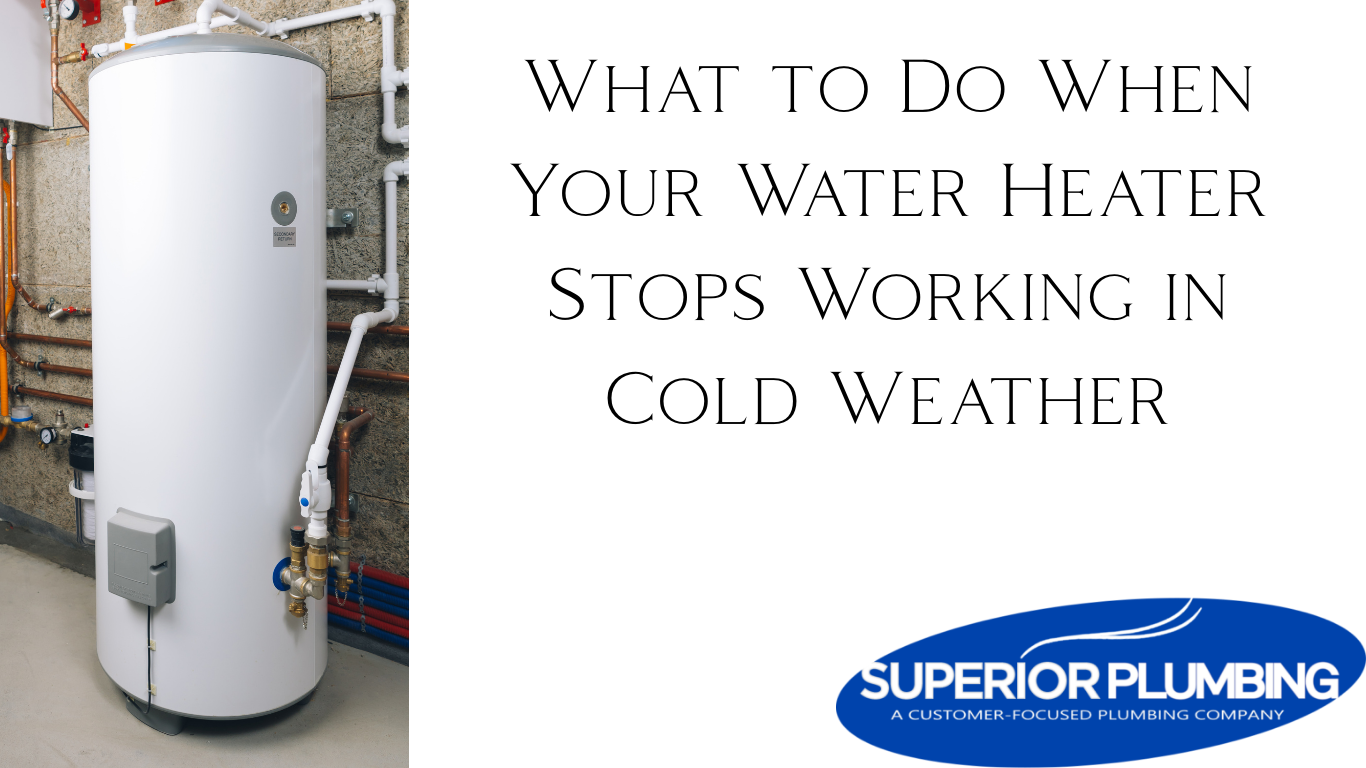
Few things are more frustrating than waking up on a cold morning, turning on the hot water, and realizing nothing but icy water is coming out. When your water heater stops working during cold weather, it’s not just inconvenient—it can disrupt your entire household routine and signal a serious plumbing issue.
Cold temperatures put extra strain on water heaters, especially in North Texas homes that aren’t built for prolonged freezes. Knowing how to respond quickly and correctly can help prevent further damage and get your hot water restored faster.
Why Water Heaters Fail More Often in Cold Weather
Cold weather creates the perfect storm for water heater problems. As temperatures drop, incoming water is colder, pipes contract, and heaters have to work harder to maintain hot water. This extra strain can expose weak components that may have been functioning fine during warmer months.
Common cold-weather stressors include increased sediment movement, frozen supply lines, overworked heating elements, and pressure issues. If your unit is older, these seasonal challenges can push it past its limits.
Immediate Steps to Take When Hot Water Stops
If your water heater stops working, start with these basic checks before calling for service.
Check the Power or Gas Supply
For electric water heaters, look at your breaker panel to see if a breaker has tripped. Reset it once and see if the heater starts working again. Repeated trips usually mean a deeper electrical or heating element issue.
For gas water heaters, confirm that the pilot light is on. If it’s out, follow the manufacturer’s instructions to relight it safely. If the pilot won’t stay lit, stop and call a professional.
Inspect the Thermostat Settings
Cold snaps sometimes cause thermostats to reset or malfunction. Make sure your thermostat is set to an appropriate temperature (usually around 120°F). If the unit isn’t responding to adjustments, the thermostat may be failing.
Look for Frozen or Restricted Pipes
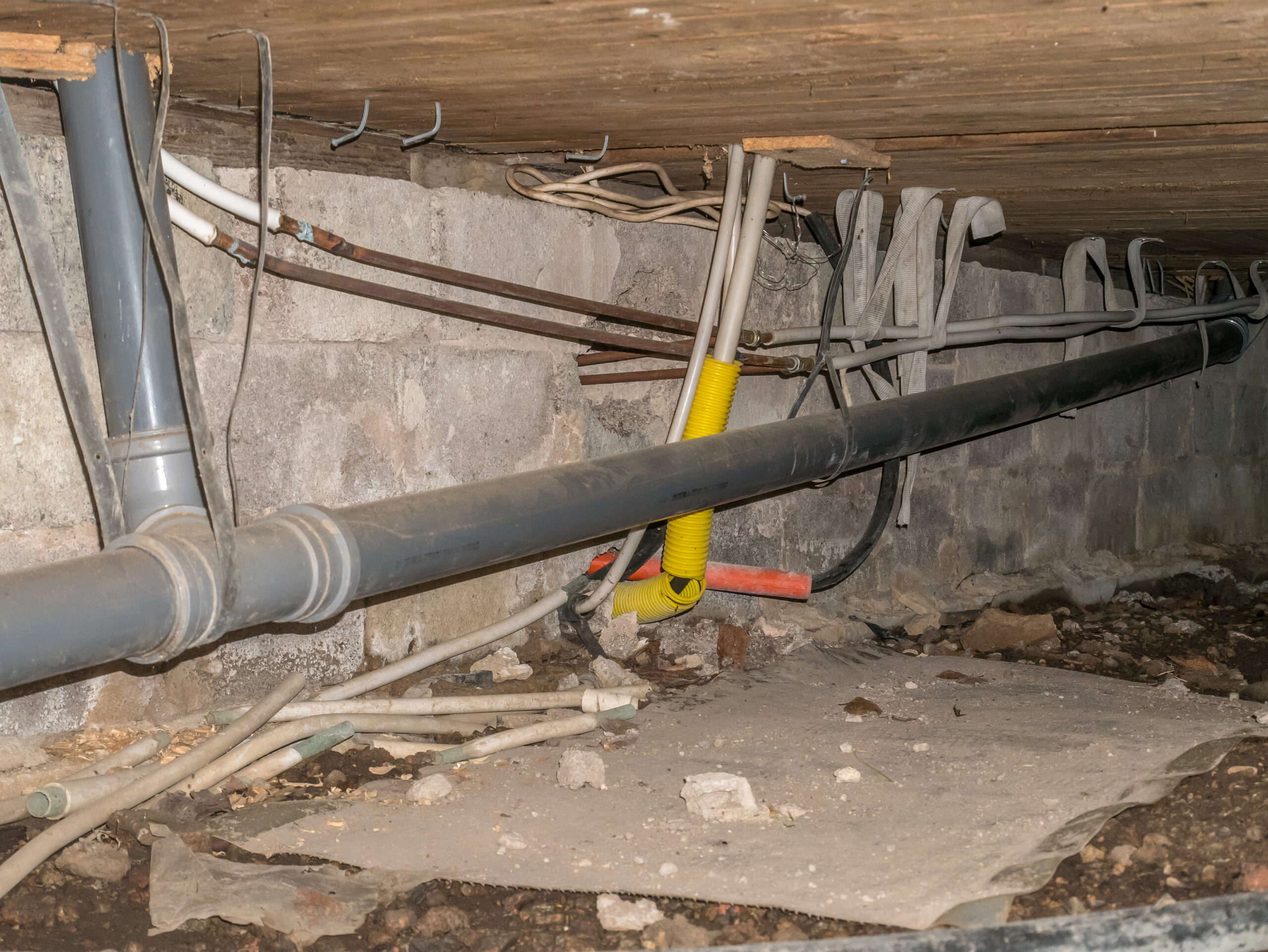
During freezing weather, water lines connected to your heater—especially those in garages or exterior walls—can freeze. This can prevent water from flowing into the tank or out to your fixtures. If you suspect frozen pipes, avoid open flames and call a plumber for safe thawing.
Common Reasons a Water Heater Stops Working in Winter
Cold weather can trigger or worsen several underlying issues.
Sediment Buildup in the Tank
In areas with hard water, sediment settles at the bottom of the tank over time. During winter, colder water and increased heating cycles can cause sediment to harden, insulating the heating element and reducing efficiency. This often leads to lukewarm water—or no hot water at all.
Professional flushing through a water heater service can restore performance and prevent further damage.
Failed Heating Elements or Burners
Electric heating elements and gas burners work overtime in winter. If one fails, the heater may stop producing hot water entirely. These components require professional testing and replacement to ensure safe operation.
Pressure or Valve Issues
Cold weather can affect pressure-relief valves and internal components. If pressure builds up or a valve fails, the system may shut down as a safety measure. This often requires immediate professional attention.
Hidden Leaks
Small leaks become more problematic in winter, especially if pipes contract or freeze. A leak near the water heater can lower pressure and reduce performance. Professional leak detection helps identify issues before they cause major damage.
When to Call a Professional Plumber
If basic troubleshooting doesn’t restore hot water, it’s time to call an expert. You should contact a plumber immediately if:
-
The breaker keeps tripping or the pilot won’t stay lit
-
You hear popping, banging, or boiling noises
-
There’s visible water around the tank
-
The unit is over 10 years old and frequently unreliable
-
You smell gas or see signs of corrosion
Attempting DIY repairs on water heaters can be dangerous and may void warranties.
How Emergency Plumbing Services Help
When your water heater stops working in cold weather, emergency plumbing services can make a major difference. Licensed professionals can diagnose the issue quickly, restore hot water, and prevent secondary damage from leaks or pressure failures.
Superior Plumbing provides fast-response emergency plumbing services for cold-weather breakdowns, along with preventative maintenance to reduce future risk. Their technicians arrive fully equipped to repair or replace components on the spot.
They also inspect surrounding plumbing, ensuring frozen or stressed pipes don’t create additional problems.
According to the U.S. Department of Energy, regular water heater maintenance can significantly improve efficiency and reliability during high-demand seasons like winter
Preventing Future Winter Water Heater Problems
Once your hot water is restored, a few preventative steps can help you avoid repeat issues:
-
Flush the water heater annually
-
Insulate nearby pipes and the heater itself
-
Keep garage and utility areas above freezing
-
Schedule routine inspections before winter
-
Address small issues early, before cold weather worsens them
Proactive maintenance is far less expensive than emergency repairs during a freeze.
Real Testimonial
“Our water heater stopped working during a cold snap, and we were worried it would take days to fix. Superior Plumbing came out the same day, explained the problem, and had our hot water back that evening. Excellent service.” – Angela R.
Don’t Let Cold Weather Leave You Without Hot Water
When your water heater stops working during cold weather, fast action matters. The sooner the issue is diagnosed, the easier it is to fix—and the less likely it is to cause additional plumbing damage.
If you’re dealing with no hot water or recurring winter issues, Superior Plumbing is ready to help with expert repairs, emergency service, and honest recommendations you can trust.
Call today to schedule service and get your hot water back—no matter how cold it gets outside.