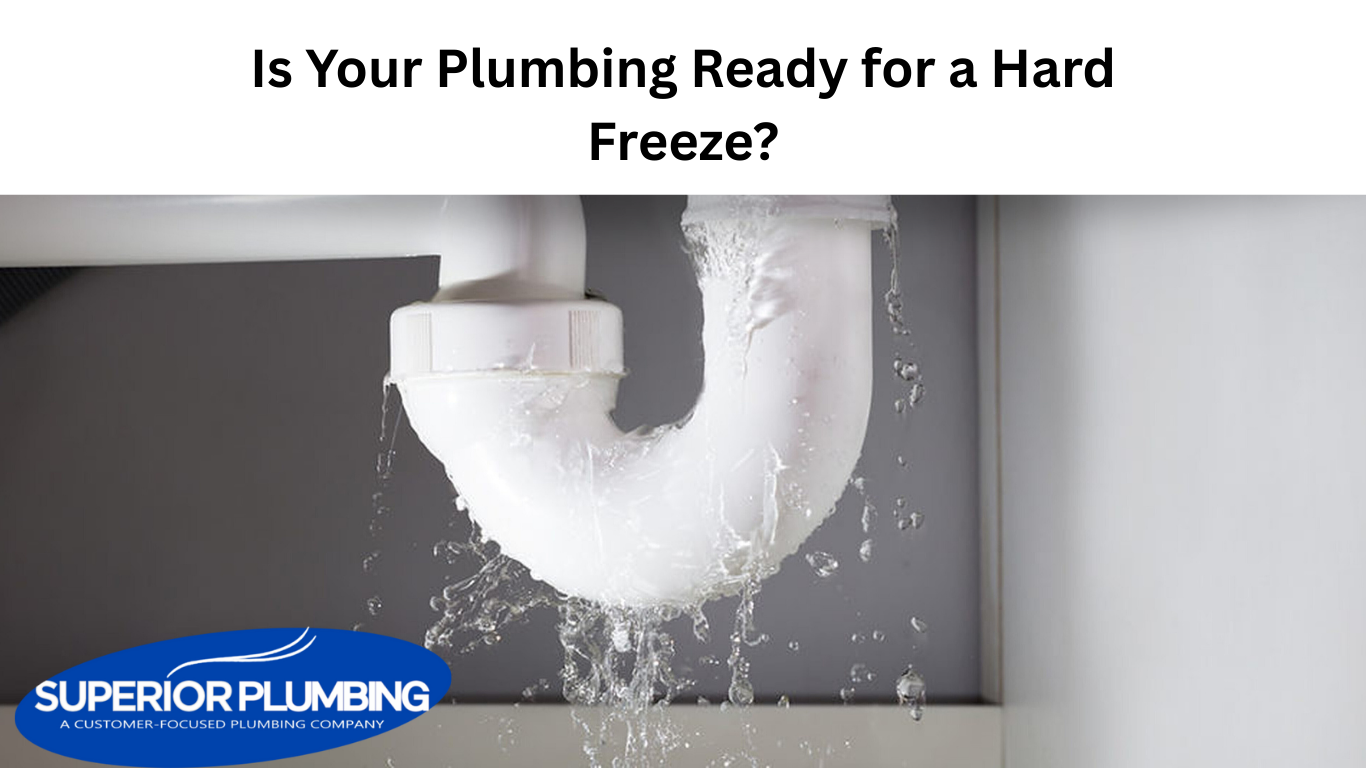
Is Your Plumbing Ready for a Hard Freeze?
Trusted by homeowners across Burleson and Fort Worth, TX
When a hard freeze hits North Texas, plumbing problems can escalate fast. Pipes freeze, water heaters fail, and burst lines can flood homes in minutes. If you’re wondering whether your plumbing is ready for a hard freeze, now is the time to check—not after temperatures drop below freezing.
Cold snaps in this region are often sudden and severe, which means preparation is the difference between peace of mind and an emergency call. Here’s how homeowners can protect their plumbing system before freezing weather arrives.
Why Hard Freezes Are So Dangerous for Plumbing
Most homes in Texas aren’t built for extended freezing temperatures. Pipes often run through attics, garages, exterior walls, and crawl spaces where insulation is minimal. When water inside a pipe freezes, it expands. That expansion creates intense pressure inside the pipe, which leads to cracks or bursts—often without warning.
According to the Insurance Institute for Business & Home Safety, frozen and burst pipes are among the most common causes of winter water damage, especially in regions where freezes are infrequent but extreme.
Signs Your Plumbing May Not Be Ready
Before a hard freeze, it’s important to spot red flags that suggest your system may be vulnerable. Common warning signs include:
-
Pipes located in uninsulated areas
-
Previous frozen or burst pipe incidents
-
Older plumbing materials
-
Drafts near sinks or plumbing access points
-
Slow or inconsistent water flow
If any of these apply to your home, proactive steps can help prevent serious damage.
Steps to Prepare Your Plumbing for a Hard Freeze
Preparation doesn’t have to be complicated, but it does need to be thorough. These steps can significantly reduce your risk during freezing weather.
Insulate Exposed Pipes
Exposed pipes are the first to freeze. Foam pipe insulation or heat tape should be installed on pipes in attics, garages, crawl spaces, and exterior walls. Even a thin layer of insulation can make a major difference during overnight freezes.
If your home has aging plumbing or recurring winter issues, a professional inspection may reveal vulnerabilities that require repairs or upgrades.
Seal Drafts and Air Leaks
Cold air entering your home can freeze pipes even if indoor temperatures seem safe. Seal gaps around windows, doors, vents, and where pipes enter walls using caulk or weatherstripping. Garage doors and attic access points are common sources of cold drafts.
Protect Outdoor Faucets and Hoses
Outdoor plumbing is extremely vulnerable during hard freezes. Disconnect garden hoses, drain them, and shut off exterior water lines if possible. If your home doesn’t have frost-proof hose bibs, insulating faucet covers are a must.
Keep Your Home Warm—Even If You’re Away
Never turn your heat off during a freeze. Set your thermostat to at least 55°F, even if you’re leaving town. Open cabinet doors under sinks to allow warm air to circulate around pipes, especially those on exterior walls.
Let Faucets Drip During Freezing Temperatures
Allowing faucets to drip slightly keeps water moving through pipes, reducing the chance of freezing. Focus on fixtures connected to exterior or uninsulated plumbing lines.
What to Do During a Hard Freeze
If temperatures drop and you’re concerned about your plumbing, take immediate action:
-
Check exposed pipes for frost
-
Listen for reduced water flow
-
Monitor indoor temperatures
-
Avoid using outdoor plumbing
If water flow slows or stops, you may have a frozen pipe. Keep the faucet open slightly to relieve pressure and call a professional plumber for safe thawing.
What If a Pipe Bursts?
A burst pipe is a true emergency. If it happens:
-
Shut off your main water supply immediately
-
Turn off electricity near affected areas
-
Contain water with towels or buckets
-
Call for emergency plumbing service right away
Fast response is critical to limit water damage and prevent mold growth. Superior Plumbing offers 24/7 emergency plumbing services to help homeowners respond quickly during hard freezes.
How Professional Plumbing Services Help Before and After Freezes
Licensed plumbers can help ensure your plumbing is ready for a hard freeze by identifying weak points before temperatures drop. Preventative services often include pipe inspections, insulation recommendations, pressure checks, and valve testing.
If damage occurs, professionals can quickly locate leaks using advanced tools. Services like leak detection help identify hidden cracks behind walls or under slabs before they cause extensive damage.
Superior Plumbing also provides water heater services to ensure your system can handle increased winter demand without failure.
Real Testimonial
“We wanted to make sure our plumbing was ready before a hard freeze. Superior Plumbing inspected everything, insulated problem areas, and gave us peace of mind. When the freeze hit, we had zero issues.” – Daniel R.
Why Preparation Is Always Cheaper Than Repair
Most freeze-related plumbing disasters are preventable. Insulation, inspections, and early repairs cost far less than water damage restoration, mold remediation, or emergency pipe replacement.
The Environmental Protection Agency notes that water damage can lead to mold growth within 24 to 48 hours, which is why preventing leaks during freezing weather is so important.
Get Ready Before Temperatures Drop
If you’re asking whether your plumbing is ready for a hard freeze, that’s your sign to act now. Waiting until temperatures drop often means limited availability and higher risk.
Superior Plumbing helps homeowners prepare for winter with inspections, emergency planning, and reliable repairs. Their experienced team knows how to protect North Texas homes from freeze-related plumbing damage.
Call today to schedule a winter plumbing check and make sure your home is protected before the next hard freeze arrives.
Request a free quote
Tell us what’s going on and we’ll get right back to you. Need help now? Call and a real plumber answers 24/7.