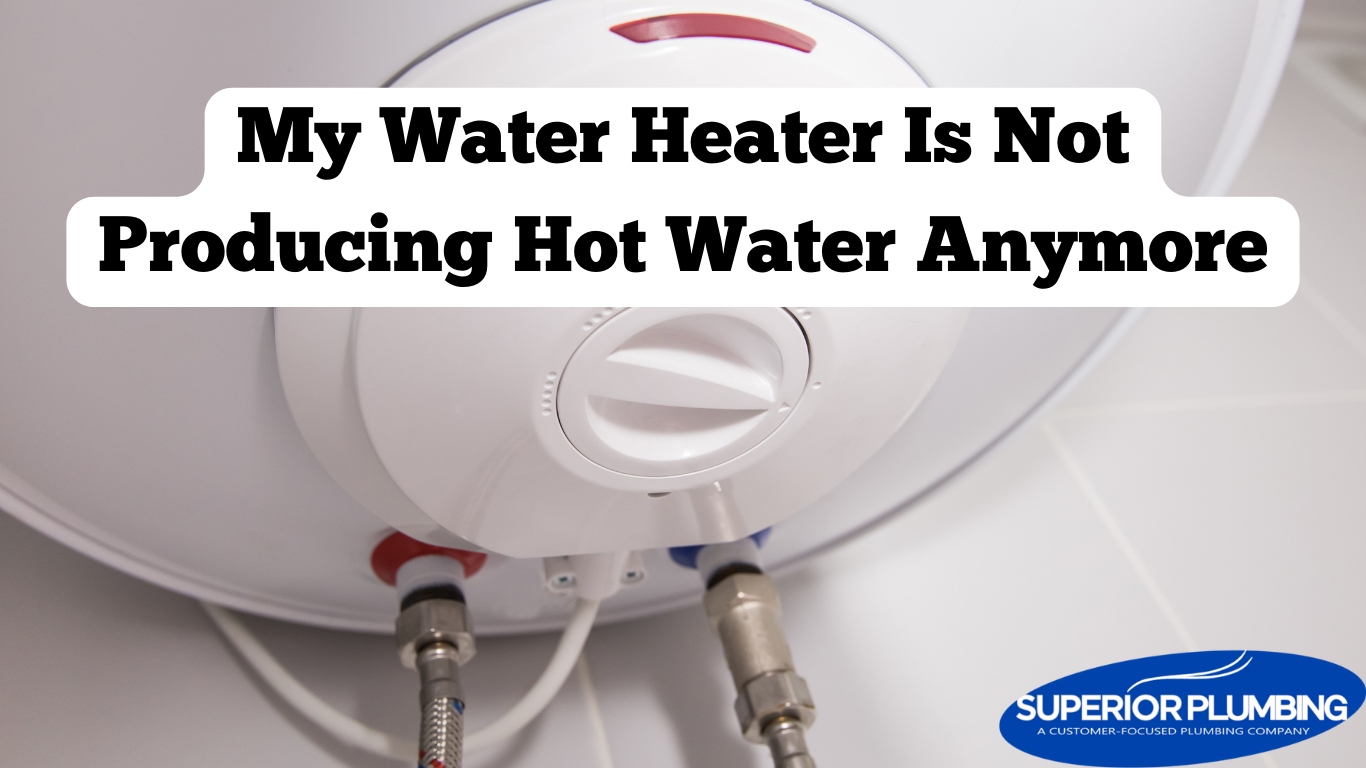
We help homeowners restore hot water quickly with expert diagnostics, reliable repairs, and honest plumbing advice that keeps your home comfortable year-round. If your water heater is not producing hot water, it’s more than just an inconvenience—it’s a sign that something in your plumbing system needs attention.
Whether your shower suddenly turned cold or your hot water slowly faded away, understanding the most common causes can help you take the right steps and avoid unnecessary damage or stress.
Common Reasons Your Water Heater Stopped Producing Hot Water
When a water heater is not producing hot water, the issue usually falls into one of several categories. Some problems are minor and easy to fix, while others require professional repair.
Power or Gas Supply Issues
One of the most common causes is a disruption in power or fuel. Electric water heaters rely on heating elements powered by your home’s electrical system. If the breaker trips, the heater will stop working.
Gas units depend on a pilot light and gas supply to heat water. If the pilot goes out, the burner cannot ignite. Sometimes this happens due to drafts, faulty thermocouples, or gas supply interruptions.
Checking your breaker panel or pilot light can sometimes reveal the issue quickly.
Failed Heating Elements
Electric water heaters use heating elements inside the tank to warm the water. If one or both elements fail, the system may produce little or no hot water.
Heating elements wear out over time, especially in homes with hard water. Replacing a faulty element often restores normal function.
Thermostat Problems
Your water heater thermostat controls how hot the water becomes. If the thermostat malfunctions, the unit may stop heating water entirely or produce only lukewarm water.
Professional technicians can test thermostat accuracy and replace faulty components if necessary.
Sediment Buildup Inside the Tank
Mineral buildup is another common reason a water heater is not producing hot water. In areas with hard water, minerals settle at the bottom of the tank over time. This sediment layer insulates the heating element and prevents efficient heat transfer.
As sediment accumulates, the heater must work harder and longer to produce hot water. Eventually, it may fail to heat properly.
Routine flushing through professional water heater services removes sediment and improves system performance.
According to the U.S. Department of Energy, regular maintenance helps extend water heater lifespan and improve efficiency. Frozen or Blocked Water Lines In colder months, frozen pipes can prevent water from reaching the heater or traveling to fixtures. If your heater appears to be working but no hot water reaches faucets, frozen or blocked lines could be the cause.
Frozen pipes should always be handled carefully. Improper thawing can cause pipes to burst.
If you suspect frozen lines or restricted flow, professional plumbing help is recommended.
Hidden Plumbing Leaks
A leak in your plumbing system can reduce water pressure and disrupt hot water flow. Even small leaks can prevent hot water from reaching faucets properly.
Professional leak detection helps identify hidden leaks behind walls, under slabs, or in underground pipes before they cause major damage.
Addressing leaks quickly protects both your plumbing system and your home.
Signs Your Water Heater May Need Replacement
Sometimes the issue isn’t repairable. If your water heater is not producing hot water anymore, the unit may simply be reaching the end of its lifespan.
Most traditional water heaters last between 8 and 12 years. Warning signs that replacement may be necessary include:
-
Rust or corrosion on the tank
-
Water pooling around the unit
-
Frequent breakdowns
-
Loud rumbling or banging noises
-
Inconsistent hot water supply
A licensed plumber can evaluate the system and recommend the best solution based on the heater’s condition.
What You Should Check Before Calling a Plumber
If your water heater suddenly stops producing hot water, try these quick checks:
-
Make sure the breaker hasn’t tripped
-
Check that the gas pilot light is on
-
Inspect for visible leaks around the tank
-
Verify the thermostat settings
If these steps don’t restore hot water, professional service is the safest option.
When to Call for Emergency Plumbing Help
Some water heater issues require immediate attention. Contact a professional if you notice:
-
Water leaking from the tank
-
Gas odors near the heater
-
Loud boiling or popping sounds
-
Sudden loss of hot water with pressure changes
Superior Plumbing provides fast-response emergency plumbing services to restore hot water and prevent additional damage to your home.
Real Testimonial
“Our water heater suddenly stopped producing hot water and we had no idea why. Superior Plumbing came out the same day, found the problem quickly, and fixed it. We had hot water again within hours.” – Daniel P.
Keep Your Hot Water Running Reliably
No one wants to deal with cold showers or disrupted daily routines. When your water heater is not producing hot water, quick diagnosis and professional repair can restore comfort and prevent further plumbing issues.
For homeowners who want reliable service, Superior Plumbing provides expert inspections, honest recommendations, and high-quality repairs that keep water heaters running smoothly.
If your hot water has suddenly stopped, don’t wait for the problem to get worse. Schedule a professional inspection today and get your home back to comfortable, reliable hot water. 🚿🔥