How to Stop a Leaking Pipe Before It Causes Water Damage
Trusted by homeowners across Burleson and Fort Worth, TX
Stop water damage before it starts with fast, professional solutions for leaking pipes—our expert plumbers help you identify, control, and repair leaks before they turn into costly repairs.
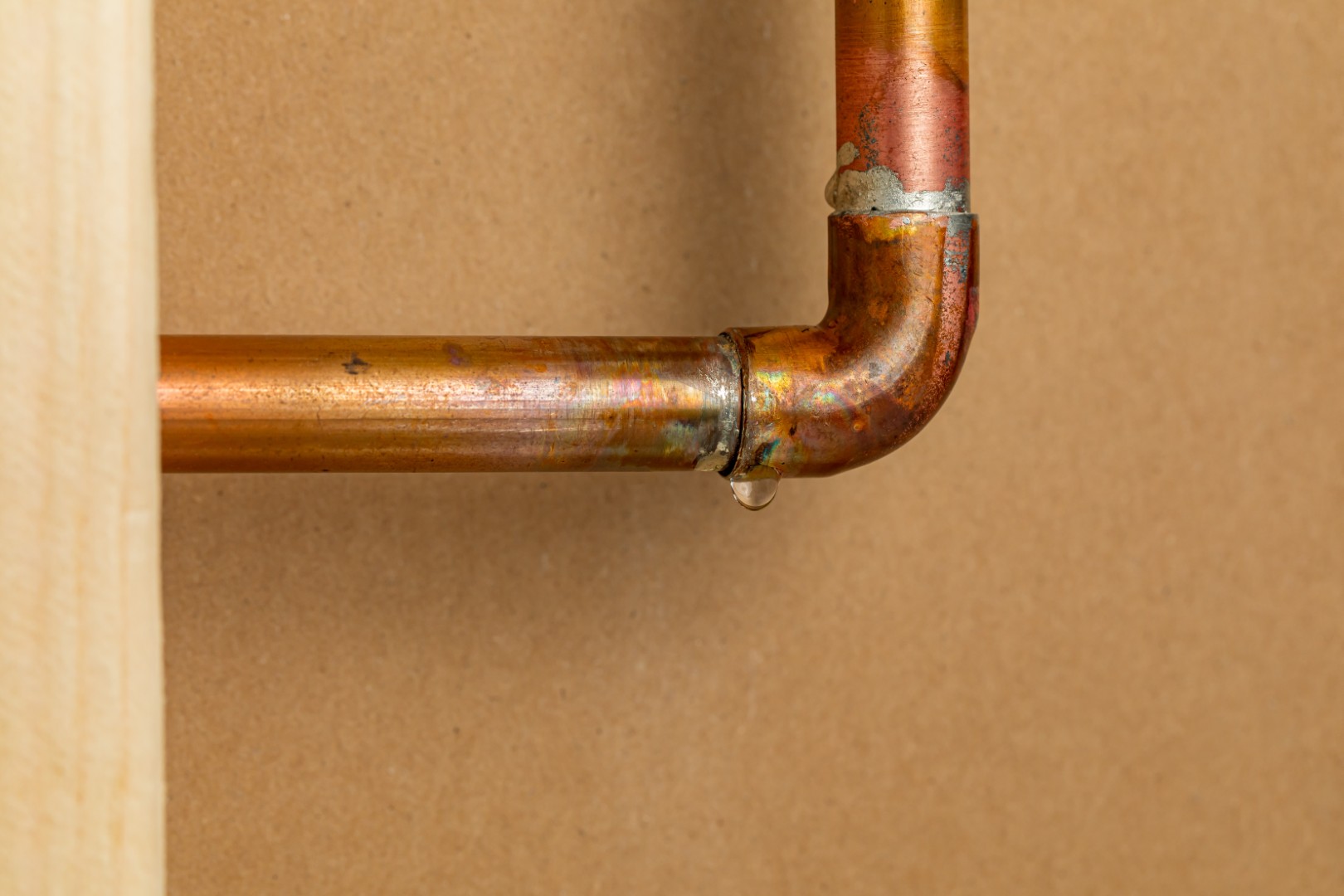
A leaking pipe might seem like a small issue at first, but it can quickly escalate into serious water damage if left untreated. From hidden drips behind walls to visible leaks under sinks, even minor plumbing issues can weaken structures, promote mold growth, and drive up your water bill. The key is acting fast and knowing what steps to take before the situation worsens. Whether you’re dealing with a sudden burst or a slow, steady leak, understanding how to respond can save your home and your budget.
Immediate Steps to Stop a Leaking Pipe Fast
When you first notice a leak, time matters. The faster you respond, the less damage your home will experience. The first and most important step is to shut off your main water supply. This immediately stops the flow of water and prevents further flooding or pressure buildup.
Next, turn on nearby faucets to drain any remaining water in the pipes. This helps relieve pressure and reduces the amount of water escaping from the leak. If the leak is localized, you may be able to shut off a specific valve instead of the entire home.
For temporary control, you can use quick fixes like:
Pipe repair clamps to seal cracks
Plumber’s tape or epoxy to cover small leaks
Buckets or towels to catch dripping water
These are short-term solutions designed to minimize damage until a professional can properly repair the pipe.
Common Causes of Leaking Pipes in Homes
Understanding what causes a pipe leak can help you prevent future problems. In many cases, leaks don’t happen overnight—they develop over time due to wear and environmental factors.
One of the most common causes is corrosion, especially in older pipes. Over time, metal pipes can weaken and develop small holes that eventually turn into larger leaks. Another major factor is high water pressure, which puts stress on your plumbing system and can cause joints or pipes to fail.
Cold weather also plays a big role. When temperatures drop, water inside pipes can freeze and expand, leading to cracks or bursts. Other causes include loose connections, shifting foundations, and poor installation.
Recognizing these risks early allows homeowners to take preventative steps before leaks occur.
Signs a Leak Is Causing Hidden Water Damage
Not all leaks are obvious. Some occur behind walls, under floors, or in ceilings—making them harder to detect until damage has already begun. Knowing the warning signs can help you catch problems early.
Look for these indicators:
Water stains or discoloration on walls and ceilings
Musty odors that suggest mold or mildew
Warped flooring or bubbling paint
Unexplained increases in your water bill
Reduced water pressure throughout your home
If you notice any of these signs, it’s important to act quickly. Hidden leaks can spread damage silently and lead to expensive repairs if ignored.
Temporary Fixes vs. Professional Pipe Repair
While temporary solutions can slow down a leak, they are not designed to last. Materials like tape or sealants may fail under pressure or over time, especially if the damage is more severe than it appears.
A licensed plumber can provide a long-term solution by identifying the root cause of the leak and repairing or replacing the damaged section. This might involve sealing joints, replacing corroded pipes, or upgrading sections of your plumbing system.
In some cases, especially with older homes, multiple leaks may indicate a larger issue within the system. A professional inspection ensures that all potential problem areas are addressed—not just the visible leak.
How to Prevent Future Pipe Leaks in Your Home
Preventing leaks is always easier and more affordable than repairing water damage. There are several proactive steps homeowners can take to protect their plumbing system year-round.
Start by monitoring your water pressure. If it’s too high, installing a pressure regulator can reduce strain on your pipes. Regular inspections of exposed pipes can also help you catch early signs of corrosion or wear.
During colder months, take extra precautions by insulating exposed pipes and allowing faucets to drip during freezing temperatures. This helps prevent frozen pipes, which are a leading cause of sudden leaks.
Routine maintenance is also essential. Scheduling periodic plumbing inspections ensures your system stays in good condition and helps identify issues before they become emergencies.
What Homeowners Really Care About When a Pipe Leaks
When dealing with a water leak, most homeowners are concerned about three main things: damage, cost, and how quickly the issue can be resolved. No one wants to deal with soaked flooring, ruined drywall, or unexpected repair bills.
Speed matters. The faster the leak is stopped, the less damage occurs. That’s why having access to a reliable plumber is critical. Homeowners also want clear answers—what caused the leak, how serious it is, and what it will take to fix it.
Cost is another major concern. Small leaks can often be repaired quickly and affordably, but waiting too long can lead to larger repairs that involve structural damage or mold remediation. Taking action early helps keep costs manageable.
Peace of mind is just as important. Knowing that the problem has been fixed correctly—and won’t return—gives homeowners confidence in their plumbing system moving forward.
Call a Professional Before a Small Leak Becomes a Big Problem
When you need fast, reliable help with a leaking pipe, Superior Plumbing is ready to step in. Our experienced team quickly identifies the source of the leak, stops the damage, and provides long-lasting repairs you can trust. Whether it’s a minor drip or a major issue, we make sure your home is protected and your plumbing system is working the way it should. Don’t wait for water damage to spread—get the help you need today and take control of the problem before it gets worse.
Request a free quote
Tell us what’s going on and we’ll get right back to you. Need help now? Call and a real plumber answers 24/7.