Why does your furnace suddenly stop working right when a Texas cold snap hits? If you’ve ever lost heat during one of those unexpected freezes in Burleson or Fort Worth, you know how frustrating—and urgent—it can feel. We provide fast, reliable solutions to diagnose and fix furnace failures so your home stays warm when temperatures drop the most.

When cold weather sweeps through North Texas, your furnace is pushed to work harder than usual. Systems that seemed fine just days before can suddenly fail under pressure. The reality is, most furnace breakdowns during a cold snap are preventable with the right knowledge and maintenance. Understanding what causes these failures helps you act quickly and avoid being left in the cold.

Causes of Furnace Failure in Cold Weather

When temperatures drop rapidly, your heating system runs longer and more frequently. This increased demand can expose underlying issues that may have gone unnoticed. One of the most common problems is a dirty air filter, which restricts airflow and forces your furnace to overwork.

Another frequent issue is thermostat malfunction. If your thermostat isn’t calibrated correctly or loses power, it may fail to signal the furnace to turn on. Additionally, older systems may struggle to keep up due to worn components or outdated technology.

Cold snaps also highlight problems like ignition failure or pilot light issues, especially in gas furnaces. These components are essential for producing heat, and even a small malfunction can stop your entire system.
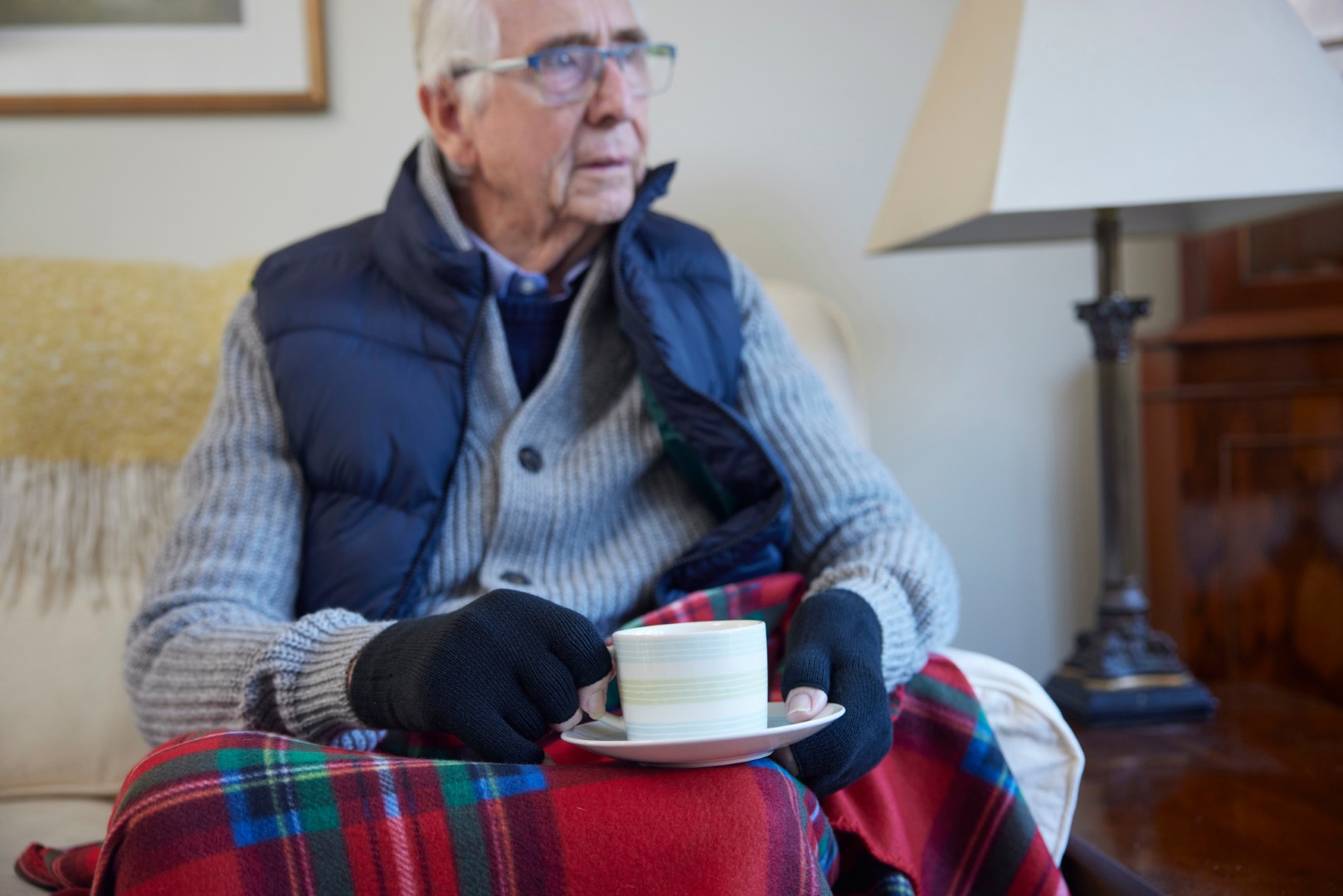
Why Furnaces Fail During a Texas Cold Snap

Frozen Components and Airflow Restrictions in Texas Homes

Texas homes aren’t always built for extended freezing temperatures, which can lead to unexpected heating system issues. During a cold snap, certain furnace components can become affected by the cold itself. For example, condensate drain lines can freeze, causing the system to shut down as a safety precaution.

Blocked or restricted airflow is another major concern. Closed vents, clogged filters, or debris in ductwork can prevent warm air from circulating properly. When airflow is limited, the furnace may overheat and shut off to prevent damage.

Here are a few common airflow-related problems:

  • Blocked return vents

  • Dirty ductwork

  • Furniture covering vents

  • Clogged furnace filters

Keeping airflow consistent is critical for maintaining efficient heating during extreme weather.

Why Your Furnace Stops Working During a Texas Freeze

A sudden furnace failure during a freeze often comes down to system strain. When your furnace runs nonstop, small issues quickly turn into major problems. Electrical components can overheat, sensors can fail, and safety switches may trigger shutdowns.

Another common factor is lack of maintenance. Furnaces that haven’t been inspected or serviced regularly are more likely to break down under stress. Dust buildup, loose connections, and worn parts all contribute to system failure when demand is highest.

Power fluctuations during winter storms can also impact furnace performance. Even a brief outage can reset your system or damage sensitive components, leaving your home without heat when you need it most.

Warning Signs Your Heating System Is About to Fail

Most furnaces don’t fail without warning. There are usually signs that something isn’t right—you just have to know what to look for. Recognizing these early indicators can help you avoid a complete breakdown.

Watch for:

  • Uneven heating throughout your home

  • Strange noises like banging or rattling

  • Frequent cycling on and off

  • Higher energy bills without increased usage

  • Weak airflow from vents

If you notice any of these issues, it’s best to have your system checked before temperatures drop further.

How to Prevent Furnace Problems During a Cold Snap

Preventative care is the best way to avoid furnace failure during extreme cold. Simple steps can make a big difference in how your system performs when it’s needed most.

Start by replacing your air filter regularly—especially before winter. Make sure vents are open and unobstructed to allow proper airflow. It’s also important to schedule a professional inspection to catch small issues early.

Other helpful steps include:

  • Testing your thermostat before a cold front

  • Checking for unusual smells or sounds

  • Ensuring your pilot light is functioning properly

  • Keeping the area around your furnace clean

Taking these precautions helps your system run efficiently and reduces the risk of unexpected breakdowns.

What Homeowners Care About During a Heating Emergency

When your furnace stops working in freezing weather, your priorities become clear: restore heat quickly, avoid costly repairs, and protect your home. No one wants to deal with freezing indoor temperatures, especially with family at home.

Speed is critical. The longer your home stays cold, the greater the risk of frozen pipes and additional damage. Homeowners also want honest answers—what caused the issue, how serious it is, and whether repair or replacement is the better option.

Cost is always a concern, but acting early often prevents more expensive repairs later. A quick service call can mean the difference between a minor fix and a full system replacement.

Peace of mind matters just as much. Knowing your heating system is reliable—and that help is available when you need it—makes all the difference during a Texas cold snap.

Get Reliable Help When Your Furnace Fails

When you need fast, dependable help during a Texas cold snap, having a trusted professional makes all the difference. Our team is ready to diagnose furnace issues quickly, restore your heat, and make sure your system is prepared for whatever winter brings. Don’t wait until your home goes cold—get the help you need to stay warm, safe, and comfortable all season long.