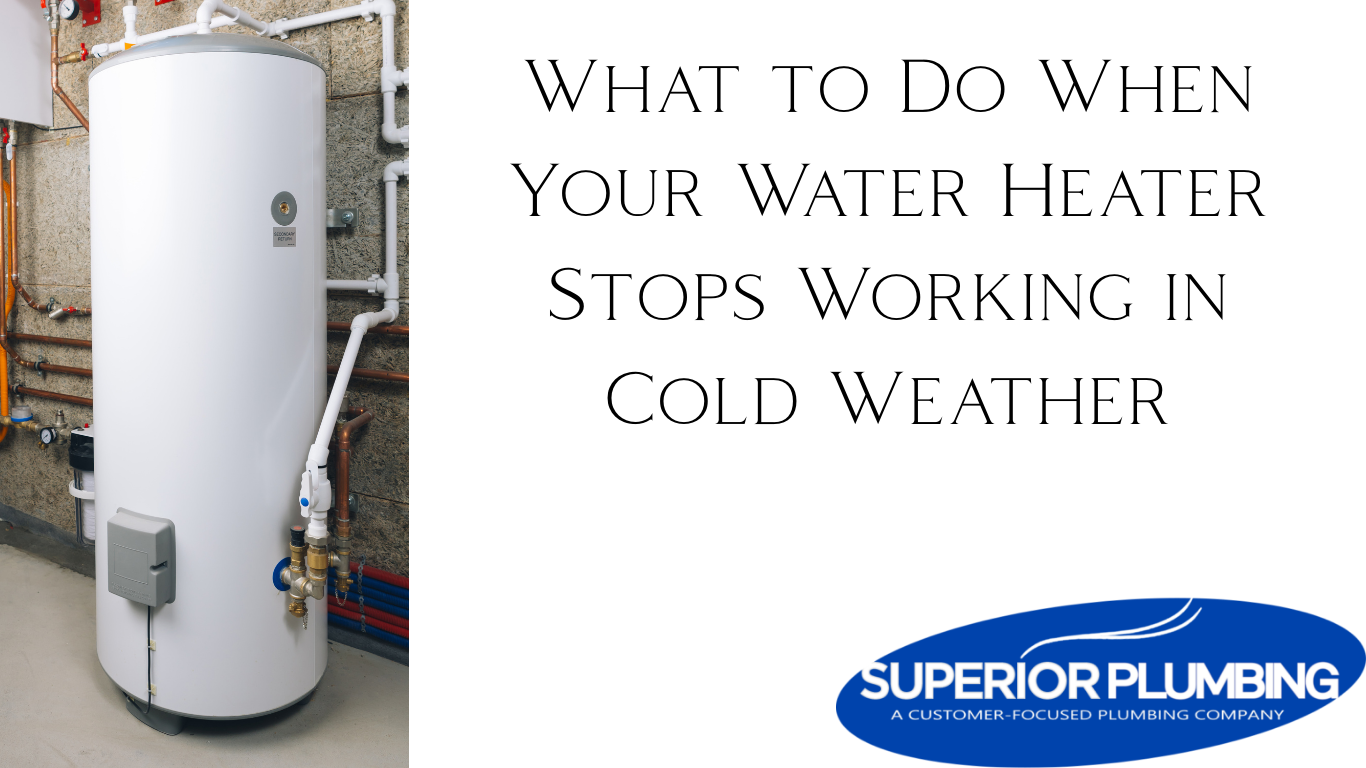
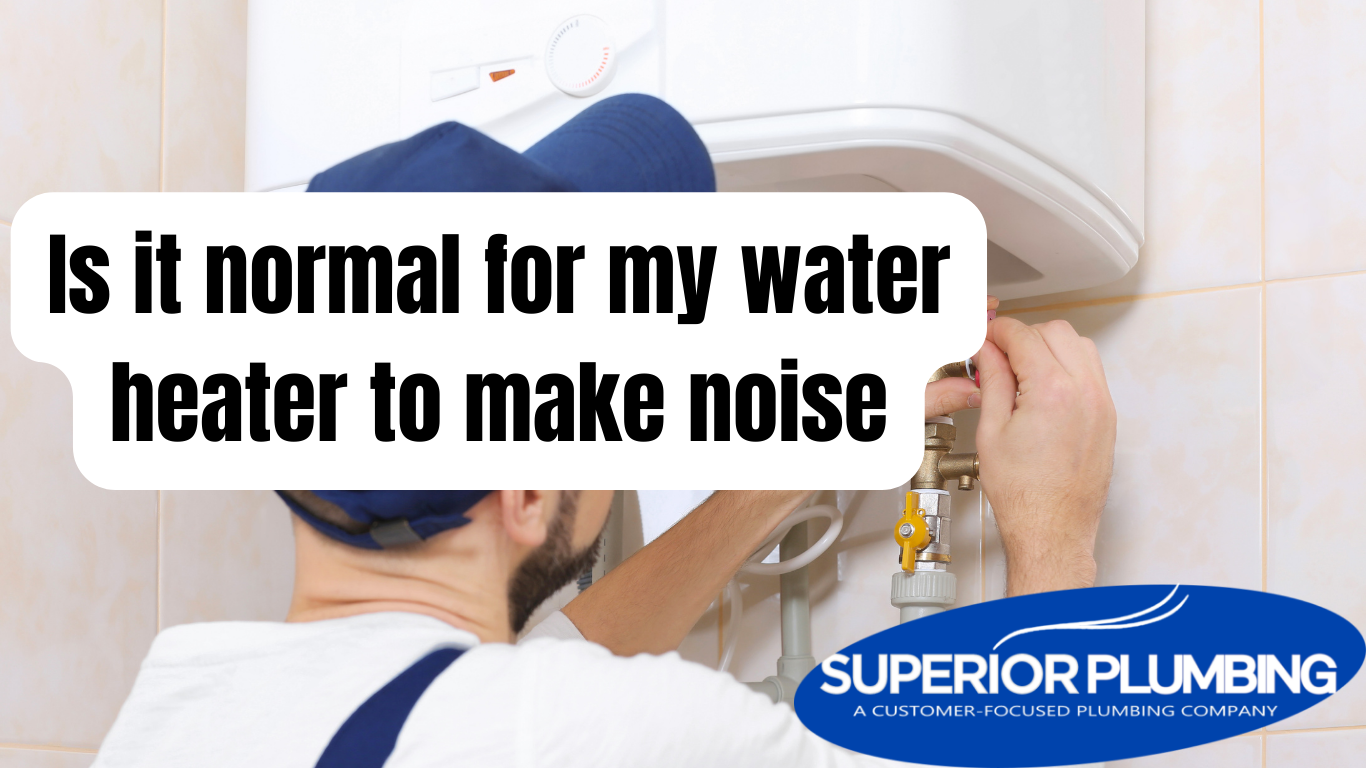
Hearing strange sounds coming from your water heater can be unsettling—especially if you’re unsure whether it’s harmless or the sign of a bigger plumbing issue. Many homeowners ask, “Is it normal for my water heater to make noise?” The short answer is: sometimes yes, but not always.
Water heaters do make sounds during normal operation, but certain noises are warnings that something isn’t working properly. Knowing the difference can help you avoid surprise breakdowns, expensive repairs, or even safety risks. Here’s what Burleson homeowners should listen for and what each type of noise means.
Normal Water Heater Sounds
Not every sound is a cause for concern. Some noises are simply part of a healthy water heater doing its job.
1. Soft Humming
Electric water heaters can hum slightly when the heating element vibrates. This is usually harmless and often happens when water flow changes or the element loosens slightly.
2. Gentle Clicking or Ticking
Metal naturally expands and contracts as it heats and cools. Clicking noises often come from pipes or the tank adjusting to temperature changes.
3. Light Sizzling After Use
If you’ve just used a lot of hot water, you might hear sizzling as condensation drips onto hot surfaces. This is generally normal.
If the sounds fall into these categories—and your water heater performs well—there’s usually no need to worry. But more aggressive or persistent noises deserve attention.
Water Heater Noises That Signal a Problem
Some sounds indicate buildup, failing components, or even leaks. These noises shouldn’t be ignored.
1. Popping or Rumbling
This is one of the most common problem sounds. In Burleson, hard water often leaves mineral deposits at the bottom of the tank. When sediment builds up, steam bubbles get trapped under it—causing loud popping or rumbling.
A loud rumble often means your water heater is working harder than it should, which leads to higher energy bills and increased wear.
A professional water heater flush can often resolve this issue. Learn more about local water heater services.
2. Banging or Knocking
If your pipes knock when the water heater turns on or off, this may be “water hammer.” It happens when water suddenly changes direction, creating shock waves in your plumbing. Left unchecked, it can damage pipes and fittings.
Installing a water hammer arrestor or adjusting the water pressure can typically fix the problem.
3. Hissing or Loud Sizzling
While light sizzling can be normal, loud or persistent hissing is not. It may signal:
-
A leaking tank
-
A failing pressure-relief valve
-
Water dripping directly onto a hot element
If you hear hissing accompanied by moisture around the tank, shut the water off immediately and call a plumber.
4. High-Pitched Screeching
Screeching or whistling noises often indicate restricted water flow. This could come from a partially closed valve or sediment blocking a pipe.
This issue is usually simple to fix, but ignoring it can cause pressure problems over time.
5. Boiling or Kettle-Like Sounds
If your water heater sounds like a boiling kettle, the tank may be overheating. This can be dangerous.
A boiling sound can indicate:
-
Heavy sediment buildup
-
Excessive internal pressure
-
Thermostat failure
If your water heater makes this noise, turn it off and call a professional right away.
Why Your Water Heater Is Making Noise
The most common cause of water heater noise in Burleson is sediment buildup from mineral-rich water. According to the U.S. Geological Survey, hard water is present in more than 85% of American homes, which makes regular maintenance essential.
Other possible causes include:
-
Loose heating elements
-
Expanding pipes
-
High water pressure
-
Failing valves
-
Old age
-
Internal corrosion
If your unit is over 10 years old and making frequent noise, it may be time to consider inspection or replacement.
How to Reduce or Prevent Water Heater Noise
Good maintenance goes a long way in keeping your system quiet and efficient. Here’s how to prevent issues:
-
Flush Your Tank Annually
This removes sediment before it hardens and prevents popping or rumbling. -
Check Your Water Pressure
High pressure stresses your pipes and heater. Keep it between 40–60 psi. -
Inspect the Pressure-Relief Valve
This ensures your tank doesn’t build dangerous levels of pressure. -
Schedule Routine Maintenance
A licensed plumber can identify early issues before they become noisy—or costly.
Superior Plumbing offers routine inspections, leak detection, and full water heater servicing to keep your system running safely and efficiently.
When to Call a Professional Plumber
If your water heater is making any of the following noises, it’s time for expert help:
-
Loud popping or rumbling
-
Boiling or whistling
-
Persistent knocking
-
Hissing with visible moisture
-
New noises from an older unit
A plumber can flush the tank, replace worn components, adjust pressure, or recommend replacement if needed.
Real Testimonial
“Our water heater was making loud popping noises for weeks. Superior Plumbing flushed it, checked all the valves, and it’s been quiet ever since. We appreciated how fast and professional they were.” – Jason M.
Don’t Ignore Water Heater Noise
A noisy water heater is usually telling you something. Some sounds are harmless—but others point to problems you don’t want to ignore. Knowing the difference can protect your home, save money, and keep your system running efficiently.
If your water heater noise seems unusual or concerning, Superior Plumbing is ready to help with expert diagnostics and safe, reliable repairs.
Call today to schedule a water heater inspection and get peace of mind.