How To Tell If Your Plumbing Vents Are Clogged
Trusted by homeowners across Burleson and Fort Worth, TX
Are clogged plumbing vents causing gurgling drains, sewer odors, or slow toilets in your home or business? Superior Plumbing helps Burleson and DFW-area property owners identify plumbing vent problems quickly, protect their plumbing systems, and prevent costly damage.
If you’re trying to learn how to tell if your plumbing vents are clogged, the short answer is this: watch for slow drains, bubbling toilets, sewer gas smells, and strange gurgling sounds from sinks, tubs, or floor drains. Plumbing vents may not carry water, but they play a major role in how your drains, toilets, water lines, and sewer system work together. When a vent stack is blocked, your plumbing system cannot breathe properly, which can lead to poor drainage, odors, and problems that look like a normal clog but keep coming back.
Signs of Clogged Plumbing Vents Homeowners Should Not Ignore
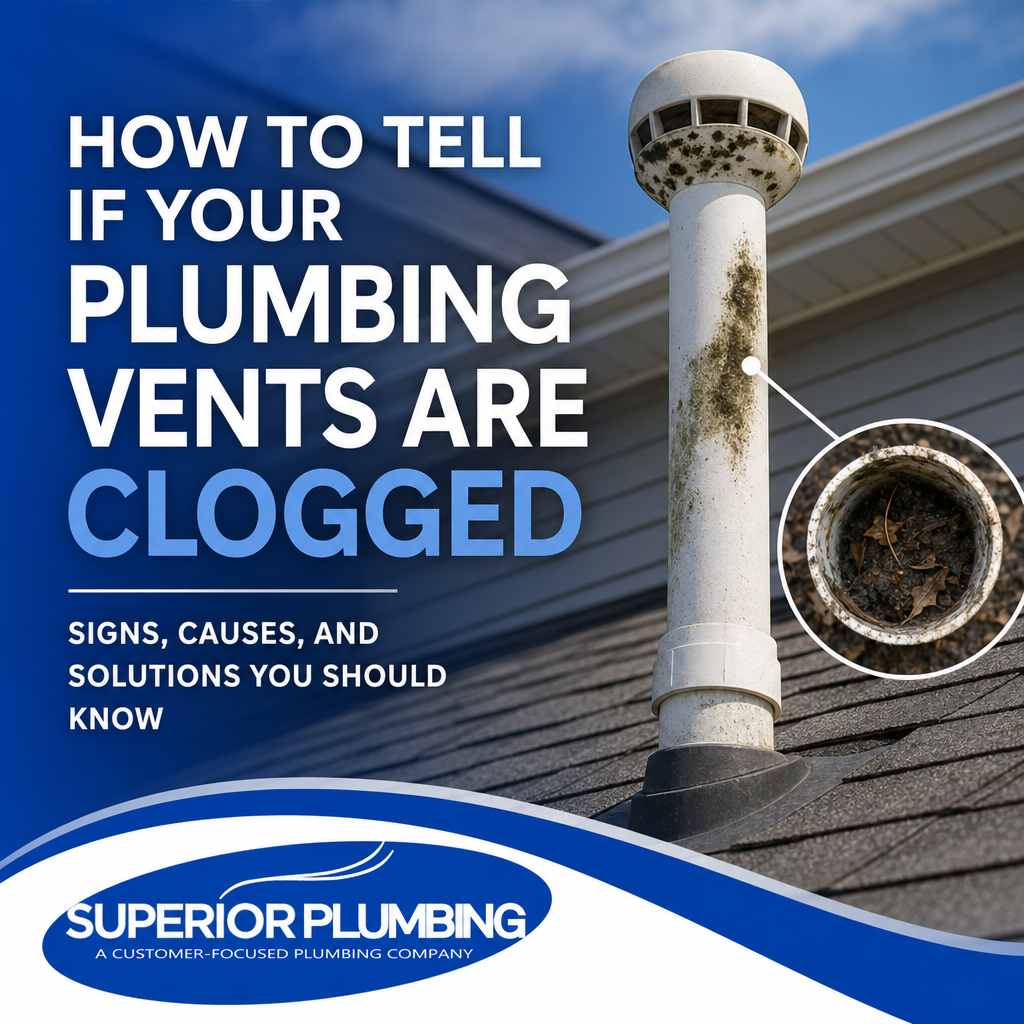
A plumbing vent pipe allows air into your drain system so wastewater can move smoothly through the pipes. Most vent pipes exit through the roof, where they release sewer gases safely away from living areas. When leaves, bird nests, roof debris, or other obstructions block the vent, negative pressure can build inside the drain lines.
Common signs of clogged plumbing vents include:
- Gurgling sounds from sinks, tubs, toilets, or shower drains
- Slow-draining fixtures in multiple areas of the property
- Sewer odors near drains or bathrooms
- Toilet bowls that bubble or lose water after nearby fixtures run
- Frequent clogs that return after basic plunging
- Empty or low water in sink, tub, or floor drain traps
A single slow bathroom sink may only need faucet repair, trap cleaning, or standard drain cleaning. But if several fixtures act up at the same time, the issue may involve the vent system, sewer line, or main drain. That is when professional diagnosis becomes important.
Gurgling Drains and Bubbling Toilets Can Point to Vent Stack Problems
Gurgling is one of the most common warning signs of a blocked plumbing vent. When your drain system cannot pull air through the vent pipe, it may pull air through the nearest sink, tub, shower, or toilet instead. That suction creates bubbling, popping, or gurgling sounds as water moves through the drain line.
For example, you may flush a toilet and hear the bathtub drain gurgle. Or you may run the washing machine and notice the kitchen sink bubbling. These symptoms can happen when the plumbing system is fighting for air. The water still tries to move, but without proper venting, it drains slowly and may disturb water seals in nearby traps.
Bubbling toilets should not be dismissed as a minor inconvenience. If air pressure continues to build, wastewater may stop flowing as designed. In some cases, a venting problem may appear similar to a sewer blockage, which is one reason Superior Plumbing checks the full plumbing system rather than treating every symptom as a simple toilet repair.
Sewer Odors Near Drains May Mean the Vent System Is Not Working
Plumbing traps hold a small amount of water that blocks sewer gases from coming back into your home or building. When a vent is clogged, pressure changes can siphon water out of those traps. Once the water barrier is gone, unpleasant sewer odors can rise from sinks, showers, tubs, laundry drains, or floor drains.
Sewer smells can also point to cracked pipes, dry traps, loose toilet seals, or sewer line problems. That is where professional leak detection and plumbing inspection can help separate venting issues from damaged drains or hidden leaks. Ignoring odors can create an uncomfortable environment and may allow gases to linger indoors.
If you manage a restaurant, office, retail space, or rental property, sewer odors can also affect tenants, customers, and employees. Commercial plumbing systems often have heavier usage and longer drain runs, so venting problems may create widespread symptoms faster than in a single-family home.
Slow Drains Throughout the Property May Not Be a Regular Clog
Many homeowners assume slow drains always mean hair, soap scum, grease, or food waste buildup. Those are common causes, especially in kitchens and bathrooms. Grease can cling to pipe walls, hair can bind with soap residue, and improper disposal habits can cause recurring clogs. Tree roots can also invade underground sewer lines and restrict flow.
A clogged vent is different because the problem involves air movement rather than only debris inside the drain pipe. When a vent stack is blocked, water may drain slowly even if the pipe itself is not fully clogged. This can lead homeowners to repeatedly use plungers, chemical drain cleaners, or store-bought tools without solving the real issue.
Professional drain and sewer diagnostics can determine whether the concern is a blocked vent, a fixture clog, a main sewer restriction, or a damaged line that may require sewer line repair. Superior Plumbing’s experienced technicians look at the pattern of symptoms, fixture locations, drainage behavior, and property layout before recommending the next step.
What Causes Plumbing Vent Pipes to Become Blocked
Because vent pipes usually terminate above the roof, they are exposed to outdoor conditions year-round. In Burleson, Fort Worth, Arlington, Mansfield, Crowley, Joshua, Benbrook, and nearby North Texas communities, strong winds and storms can push leaves, twigs, roofing debris, and dirt into vent openings. Birds, squirrels, and insects may also build nests inside exposed pipe openings.
Older homes may have undersized vent lines, aging pipe materials, or vent connections that no longer perform as intended. Remodeling work can also create venting issues if fixtures are added or moved without proper plumbing design. In some cases, the vent is not fully clogged but is restricted enough to affect drainage during heavy water use.
Cold snaps can occasionally create ice-related vent restrictions, though this is less common in North Texas than in colder regions. Roof damage, missing vent caps, and deteriorated flashing can also create plumbing and water intrusion concerns. Since roof access can be risky, homeowners should avoid climbing onto the roof to clear a vent without the right equipment and experience.
How Plumbers Diagnose a Clogged Plumbing Vent Safely
A reliable diagnosis starts with listening to the customer’s symptoms. A plumber may ask which drains are slow, where gurgling occurs, whether sewer odors are present, and whether problems happen after using a specific fixture or appliance. This helps determine whether the issue is isolated or system-wide.
Depending on the situation, a technician may inspect accessible drain lines, test fixture drainage, check trap water levels, inspect roof vent openings, or use specialized tools to locate restrictions. Sewer cameras, smoke testing, and drain inspection methods can help identify hidden venting issues, sewer line defects, or blockages that are not visible from inside the home.
This step matters because the wrong repair can waste money. If a homeowner pays for repeated clog removal when the real problem is vent restriction, symptoms are likely to return. If a sewer line problem is mistaken for a vent issue, wastewater backups and property damage may become more likely.
Repair Costs, Water Damage Risks, and Long-Term Plumbing Reliability
Customers usually care about three things: how serious the issue is, what it may cost, and how to keep it from turning into an emergency. The cost to resolve a clogged plumbing vent depends on accessibility, roof height, severity of the blockage, the need for camera inspection, and whether related drain or sewer repairs are needed. A simple debris blockage may be easier to correct than a damaged vent line hidden behind walls.
Delaying service can raise the risk of water damage, sewer odors, recurring backups, and fixture performance problems. Poor drainage can strain toilets, tubs, washing machine drains, and floor drains. Hidden leaks or repeated overflows may contribute to mold growth, higher utility costs, damaged flooring, and structural deterioration if not addressed in time.
Preventative plumbing maintenance can reduce emergency plumbing situations. Property owners should avoid dumping grease down drains, schedule drain cleaning when recurring slow drains appear, repair leaking fixtures promptly, and have older plumbing systems inspected before small symptoms spread. Honest guidance from the right plumbing contractor helps you decide whether cleaning, repair, replacement, or further diagnostics is the best long-term decision.
When You Need Help With Clogged Plumbing Vents in Burleson and the DFW Area
When you need help figuring out whether clogged plumbing vents, drain buildup, sewer line trouble, or fixture problems are affecting your property, Superior Plumbing is ready to help. Our team provides residential and commercial plumbing services, including emergency plumbing, drain cleaning, toilet repair, sewer diagnostics, water heater repair, water heater replacement, gas line services, and preventative plumbing maintenance.
Superior Plumbing serves Burleson, Fort Worth, Arlington, Mansfield, Crowley, Joshua, Benbrook, and surrounding North Texas communities with honest recommendations, clear communication, and dependable workmanship. If your drains are gurgling, toilets are bubbling, or sewer odors are becoming noticeable, scheduling a professional inspection can help protect your property and keep your plumbing system working reliably.
Request a free quote
Tell us what’s going on and we’ll get right back to you. Need help now? Call and a real plumber answers 24/7.