The Effects of Hard Water on Water Heater Efficiency
Trusted by homeowners across Burleson and Fort Worth, TX
Is hard water making your water heater work harder than it should? If your hot water takes longer to heat, your energy bills are increasing, or your water heater is making unusual noises, hard water may be the reason. We provide professional water heater repair, water heater maintenance, water heater replacement, water softener installation, and plumbing services to help homeowners protect their plumbing systems and improve water heater efficiency.
Hard water is a common issue throughout North Texas, including Burleson and the surrounding communities. While it’s generally safe to drink, the minerals found in hard water can slowly reduce the performance of your water heater. Over time, mineral deposits build up inside the tank and on heating components, causing your system to work harder, use more energy, and wear out faster. Understanding how hard water affects your water heater can help you prevent costly repairs and extend the life of your equipment.
What Is Hard Water?
Hard water contains high levels of naturally occurring minerals, primarily calcium and magnesium. As groundwater moves through limestone and other rock formations, it absorbs these minerals before entering your home’s plumbing system.
Although hard water isn’t harmful to your health, it can create ongoing problems for your plumbing and appliances.
Common signs of hard water include:
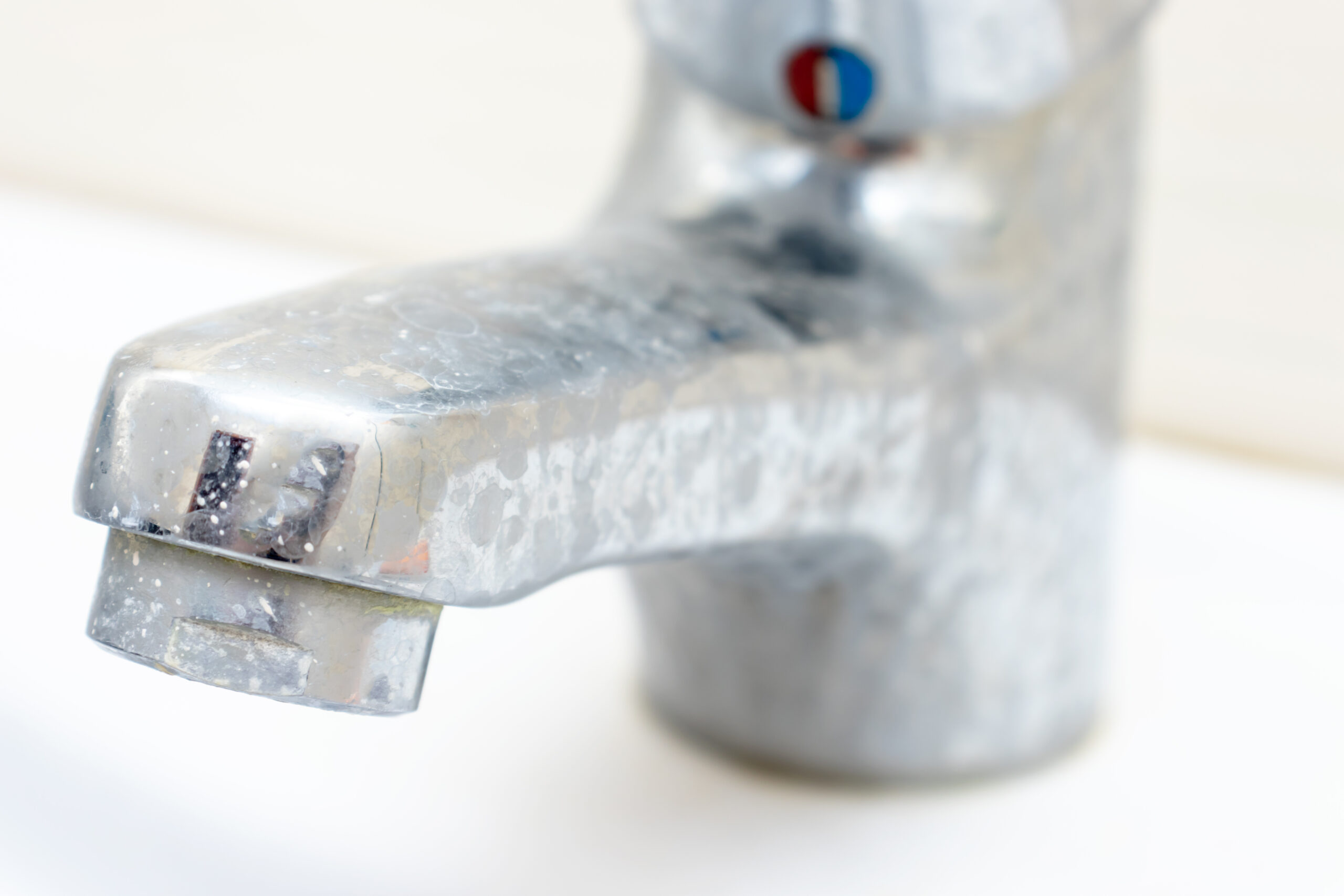
- White mineral deposits on faucets
- Water spots on dishes and glassware
- Soap that doesn’t lather well
- Dry skin and hair
- Stiff laundry
- Mineral buildup around plumbing fixtures
These same minerals also collect inside your water heater every time it heats water.
How Sediment Buildup Reduces Water Heater Efficiency
As hard water is heated, calcium and magnesium separate from the water and settle at the bottom of the tank. Over time, this sediment forms a thick layer that acts as an insulating barrier.
Instead of directly heating the water, the burner or heating element must heat through the layer of sediment first.
This causes:
- Longer heating times
- Higher energy consumption
- Reduced hot water capacity
- Increased wear on heating components
- Higher utility bills
The thicker the sediment layer becomes, the harder your water heater has to work to produce the same amount of hot water.
Hard Water Can Damage Heating Elements
In electric water heaters, hard water minerals don’t just settle in the tank—they also coat the heating elements.
As scale builds up, the elements become less efficient at transferring heat into the water.
This can lead to:
- Slower hot water recovery
- Inconsistent water temperatures
- Burned-out heating elements
- Frequent repairs
- Reduced system lifespan
Routine water heater maintenance helps remove mineral buildup before it permanently damages critical components.
Why Your Water Heater Makes Popping Or Rumbling Noises
If your water heater has started making popping, cracking, or rumbling sounds, sediment buildup is often the cause.
As water becomes trapped beneath hardened mineral deposits, it overheats and creates steam bubbles that burst through the sediment layer.
These noises indicate your water heater is working harder than necessary.
Ignoring the problem may eventually result in:
- Overheating
- Internal tank damage
- Reduced efficiency
- Premature equipment failure
Scheduling professional maintenance when these sounds first appear can help prevent more expensive repairs.
Hard Water Shortens The Life Of Your Water Heater
A water heater exposed to hard water typically experiences more wear than one supplied with softened water.
Over time, mineral deposits contribute to:
- Tank corrosion
- Heating element failure
- Reduced efficiency
- Pressure buildup
- Water heater leaks
- Premature replacement
Without regular maintenance, sediment continues accumulating year after year, increasing the likelihood of major repairs or complete system failure.
Protecting your water heater from hard water can add years to its service life.
How Water Heater Maintenance Improves Performance
Regular maintenance is one of the most effective ways to reduce the effects of hard water.
Professional maintenance typically includes:
- Flushing sediment from the tank
- Inspecting heating elements
- Testing the pressure relief valve
- Checking plumbing connections
- Inspecting for corrosion
- Evaluating overall system performance
Annual maintenance helps your water heater heat water more efficiently while reducing unnecessary wear on internal components.
It also allows plumbers to identify small issues before they become expensive breakdowns.
Install A Water Softener For Long-Term Protection
If your home has consistently hard water, installing a water softener can significantly reduce mineral buildup throughout your plumbing system.
A water softener removes calcium and magnesium before the water reaches your appliances.
Benefits include:
- Improved water heater efficiency
- Lower energy bills
- Longer appliance lifespan
- Reduced plumbing repairs
- Better water pressure
- Less mineral buildup on fixtures
- Cleaner dishes and softer laundry
Many homeowners find that a water softener not only protects their water heater but also improves the performance of every water-using appliance in the home.
Protect Your Water Heater With Superior Plumbing
If you’re looking for professional solutions to hard water problems, Superior Plumbing is here to help. Our experienced team provides expert water heater maintenance, water heater repair, water heater replacement, water softener installation, plumbing inspections, leak detection, and emergency plumbing services throughout Burleson and the surrounding communities. Whether you’re dealing with sediment buildup, rising energy bills, inconsistent hot water, or hard water throughout your home, we’ll recommend the right solutions to improve efficiency, extend the life of your water heater, and keep your plumbing system performing at its best.
Request a free quote
Tell us what’s going on and we’ll get right back to you. Need help now? Call and a real plumber answers 24/7.