What to Do About Sediment Buildup in Your Water Heater
Trusted by homeowners across Burleson and Fort Worth, TX
Is your water heater making popping noises, taking longer to produce hot water, or running out of hot water too quickly? These are some of the most common signs of sediment buildup inside your water heater. We provide professional water heater maintenance, water heater repair, water heater replacement, plumbing inspections, and emergency plumbing services to help homeowners remove sediment, improve efficiency, and extend the life of their water heaters.
Sediment buildup is one of the leading causes of water heater problems, especially in North Texas where hard water is common. Over time, minerals naturally found in your water settle at the bottom of the tank, making your water heater work harder than it should. Left untreated, sediment can reduce efficiency, increase energy bills, shorten the lifespan of the unit, and eventually lead to expensive repairs or replacement.
What Causes Sediment To Build Up In A Water Heater?
Every time your water heater heats water, naturally occurring minerals such as calcium and magnesium separate from the water and settle at the bottom of the tank.
This process happens faster in homes with hard water, which is common throughout Burleson and the surrounding DFW area.
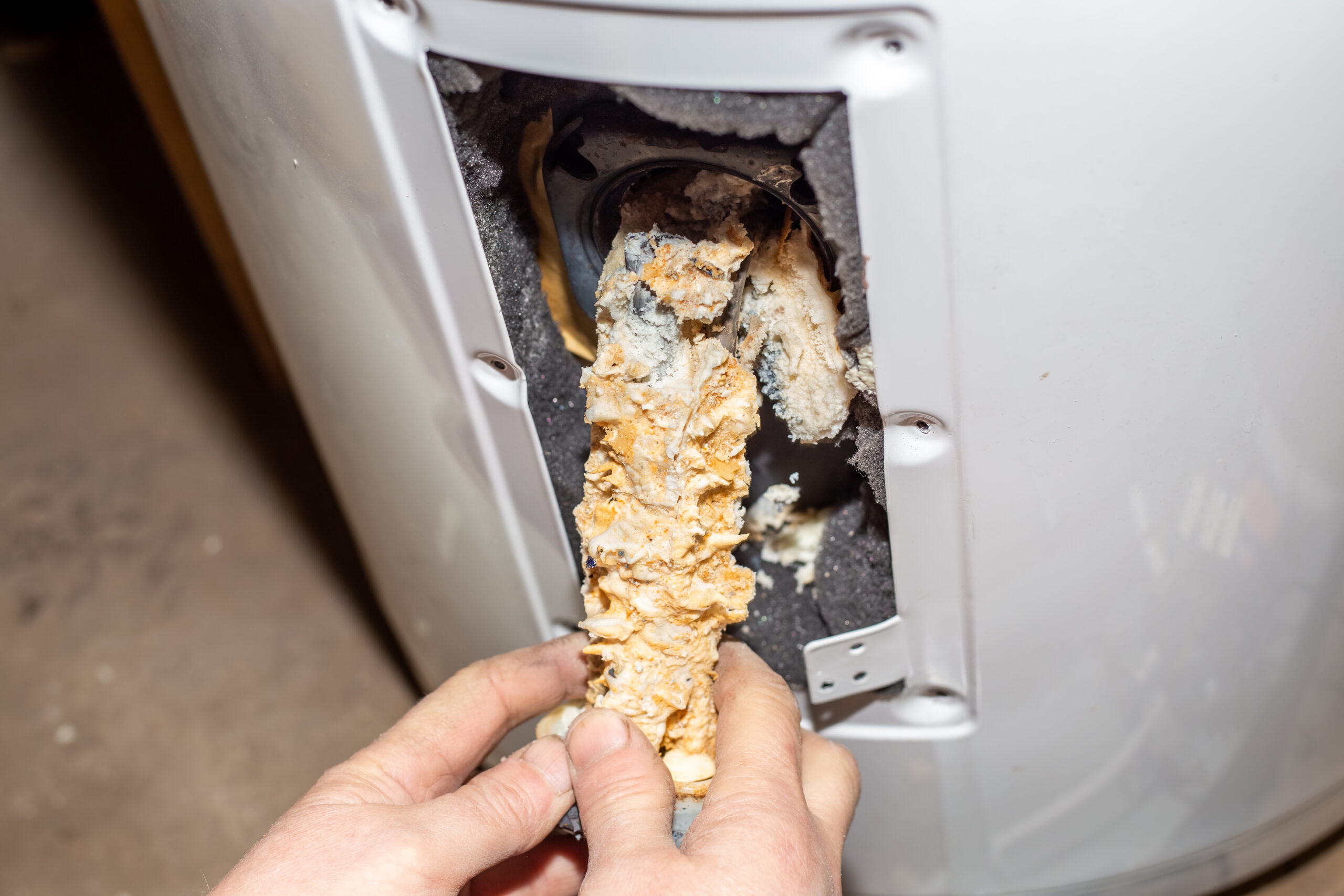
Over time, these minerals form a thick layer of sediment that becomes harder and more compact with each heating cycle.
As the layer grows, it creates a barrier between the burner or heating elements and the water, making it more difficult for the unit to heat efficiently.
Routine water heater maintenance is the best way to remove sediment before it causes major problems.
Signs Your Water Heater Has Sediment Buildup
Sediment usually builds up gradually, so the warning signs often become more noticeable over time.
Common symptoms include:
- Water takes too long to heat
- Running out of hot water quickly
- Popping or rumbling noises
- Higher energy bills
- Inconsistent water temperatures
- Reduced hot water capacity
- Rust-colored water
- Water heater overheating
If you notice one or more of these problems, your water heater may need professional service before permanent damage occurs.
A licensed plumber can inspect the tank and determine whether flushing the system or repairing the unit is the best solution.
Why Sediment Makes Your Water Heater Less Efficient
As sediment thickens inside the tank, your water heater must work much harder to heat the same amount of water.
This leads to:
- Longer heating cycles
- Increased gas or electricity usage
- More wear on heating elements
- Reduced hot water production
- Shorter equipment lifespan
Many homeowners don’t realize that a simple maintenance service can restore much of the system’s original efficiency.
Regular flushing helps remove mineral deposits before they harden and become difficult to eliminate.
Can Sediment Damage Your Water Heater?
Yes. Over time, excessive sediment buildup can permanently damage your water heater.
As the burner or heating elements struggle to heat through the sediment layer, temperatures inside the tank increase significantly.
This extra heat can lead to:
- Burned-out heating elements
- Cracked tank lining
- Pressure buildup
- Corrosion
- Premature tank failure
- Water heater leaks
Once the tank itself begins leaking due to corrosion, water heater replacement is typically the only permanent solution.
Preventative maintenance helps avoid these costly repairs.
How Professional Water Heater Flushing Works
A professional water heater flush removes accumulated sediment from inside the tank.
During the service, your plumber will typically:
- Shut down the water heater safely
- Drain the tank completely
- Flush out mineral deposits
- Inspect the drain valve
- Check plumbing connections
- Test the pressure relief valve
- Evaluate the overall condition of the system
This process improves efficiency, restores hot water production, and helps extend the life of the water heater.
Annual flushing is recommended for most traditional tank water heaters, especially in areas with hard water.
Should You Repair Or Replace Your Water Heater?
Sometimes flushing the tank is enough to restore performance. However, if sediment has already caused significant damage, replacement may be the better investment.
Replacement may be recommended if:
- The tank is leaking
- The water heater is over 10 years old
- Hot water remains inconsistent after maintenance
- The unit requires frequent repairs
- Corrosion is visible on the tank
- Heating efficiency continues to decline
Modern high-efficiency water heaters and tankless water heaters offer improved performance, lower energy costs, and more reliable hot water.
A professional plumber can explain your options and help you choose the best solution for your household.
How To Reduce Future Sediment Buildup
While some sediment is unavoidable, there are several ways to slow the buildup.
Helpful preventative measures include:
- Schedule annual water heater flushing.
- Install a water softener.
- Have your plumbing system inspected regularly.
- Replace aging water heaters before they fail.
- Address hard water problems early.
Routine plumbing maintenance not only protects your water heater but also helps extend the life of your home’s plumbing system and fixtures.
Preventative care is far less expensive than replacing a failed water heater or repairing water damage from a leaking tank.
Keep Your Water Heater Running Like New
If you’re looking for professional help with sediment buildup in your water heater, Superior Plumbing is ready to help. Our experienced team provides expert water heater maintenance, water heater repair, water heater replacement, tankless water heater installation, plumbing inspections, leak detection, and emergency plumbing services throughout Burleson and the surrounding communities. Whether your water heater is making strange noises, producing less hot water, or simply isn’t performing like it used to, we’ll identify the problem and provide reliable solutions that keep your hot water flowing efficiently year-round.
Request a free quote
Tell us what’s going on and we’ll get right back to you. Need help now? Call and a real plumber answers 24/7.